The "Fruit Fly" Mix-Up: Banishing Fungus Gnats on a Budget
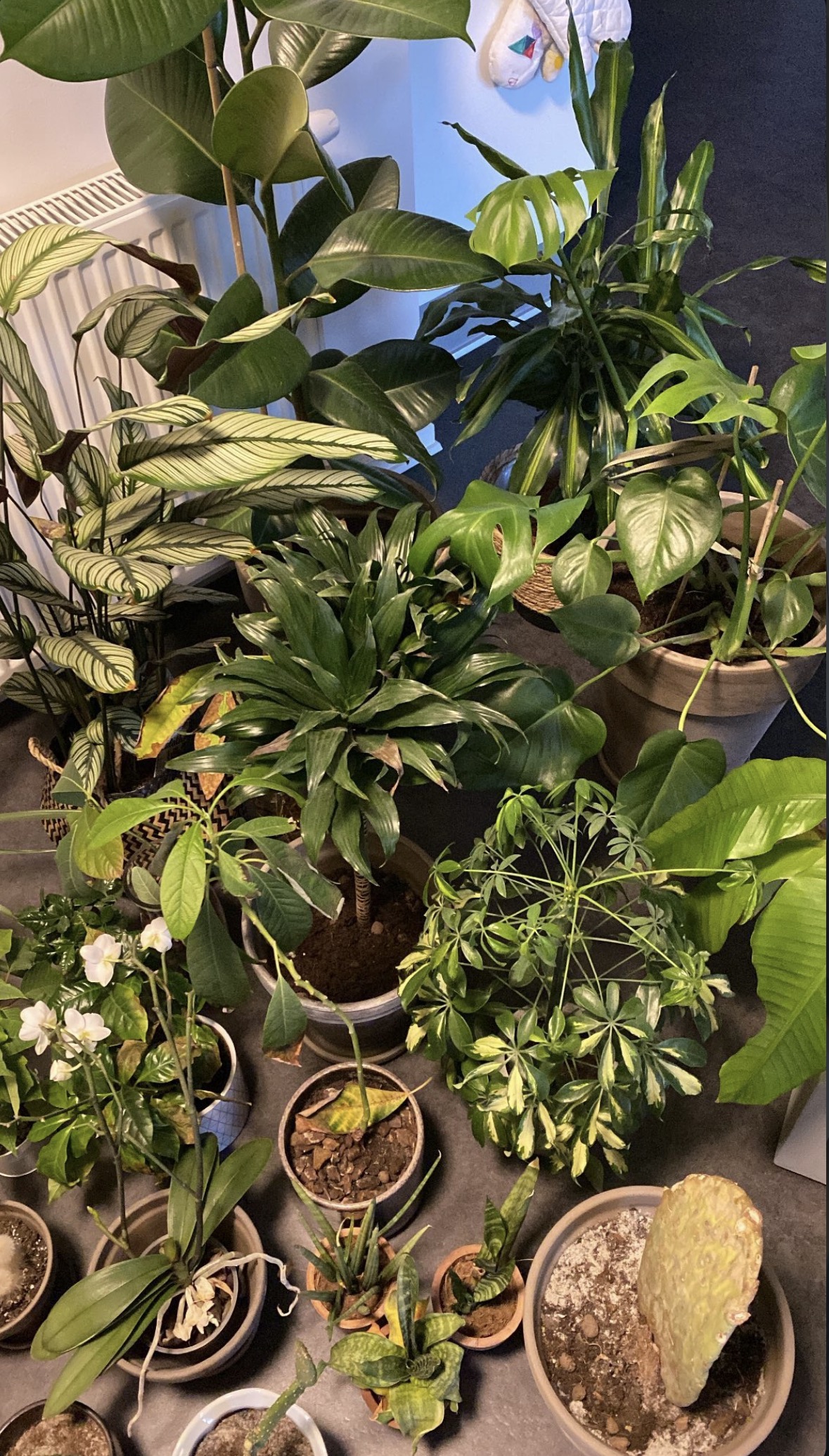
For the longest time, I thought the tiny black bugs flying around my apartment were just confused fruit flies. It turns out, they were fungus gnats—and they were breeding right in the soil of my favorite houseplants.
If you search online for how to get rid of them, everyone recommends those bright yellow sticky traps. Honestly, I’ve always been curious to try them, but I just can't justify the price. When you are a student on a budget, paying that much for a small piece of paper with glue on it feels a bit ridiculous.
Plus, let's be real—they are incredibly ugly. Sticking bright yellow paper into the pots completely ruins the aesthetic of having beautiful plants in your home.
Instead, I rely on a DIY method that has given me huge success, and it costs basically nothing. I simply take a small glass, fill it with a mixture of vinegar and a few drops of dish soap, and place it right next to the affected plants.
The gnats are intensely attracted to the smell of the vinegar. The magic ingredient, however, is the dish soap. It breaks the surface tension of the liquid, meaning the moment the gnats land, they sink instead of flying away.
The vinegar trap is amazing for catching the flying adults, but to stop the cycle completely, you have to target the larvae living in the wet potting mix.
My strategy is simple: I let the soil dry out as much as I possibly can without actually harming the plant's health. Fungus gnat larvae need constant moisture in the top layer of the soil to survive. By pushing your watering schedule a few days and letting that top layer become bone dry, you cut off their breeding ground completely.
Was this post helpful?