My Top 3 Indoor Plants for Low Light (That Actually Survive)
Let’s be real: most of us don't live in a sun-drenched greenhouse. Especially here in Denmark, where the winter months feel like one long, gray afternoon, finding plants that don't immediately give up can be a challenge.
In my own apartment, the natural light is pretty limited. To compensate, I’ve invested in grow lights—though as I wrote in my post about my accidental pink grow light setup, that comes with its own set of visual challenges! If you don't want your living room to look like a neon disco, or if you simply aren't ready to invest in artificial lighting, you need to pick the right plants from the start.
Important Disclaimer: "Low light" does not mean "no light." Every plant needs photosynthesis to survive. If you put a plant in a room with no windows, it will eventually die. These picks are just much better at handling the dimmer corners of your home.
This is the ultimate "unkillable" plant. In one of my previous apartments, I had a Snake Plant sitting on a high wooden beam, way up under the ceiling where almost no light reached.
Because I had to stand on a chair just to reach it, I’ll be honest—I rarely watered it. It was a classic case of "out of sight, out of mind." But despite the lack of light and the very sporadic watering, the plant didn't just survive; it thrived! It even started producing small "pup" plants (baby snake plants) at the base. It’s the perfect plant if you have a spot that is hard to reach or simply too dark for anything else.
My Tip: Because it grows so slowly in the dark, it doesn't use much water. I only water mine about once a month during the winter. Overwatering is the only way to truly kill this one.
The ZZ plant has thick, waxy leaves that almost look artificial. Those leaves are actually great at storing water, and the plant is incredibly efficient at using whatever light it can get. It’s perfect for a shelf or a desk that doesn't get direct sun.
My Tip: Much like the Snake Plant, the ZZ is very sensitive to wet feet. If you're growing it in low light, let the soil dry out completely before even thinking about the watering can.
If you want a trailing plant that grows fast even without a massive window, the Pothos is your best friend. While the variegated versions might lose some of their patterns in the dark, the standard green or Golden Pothos will keep pushing out vines.
My Tip: If the vines start to look "leggy" (lots of stem between the leaves), it's a sign the plant is stretching for more light. When this happens to my plants, I don't just let them stay leggy—I use it as an opportunity to propagate.
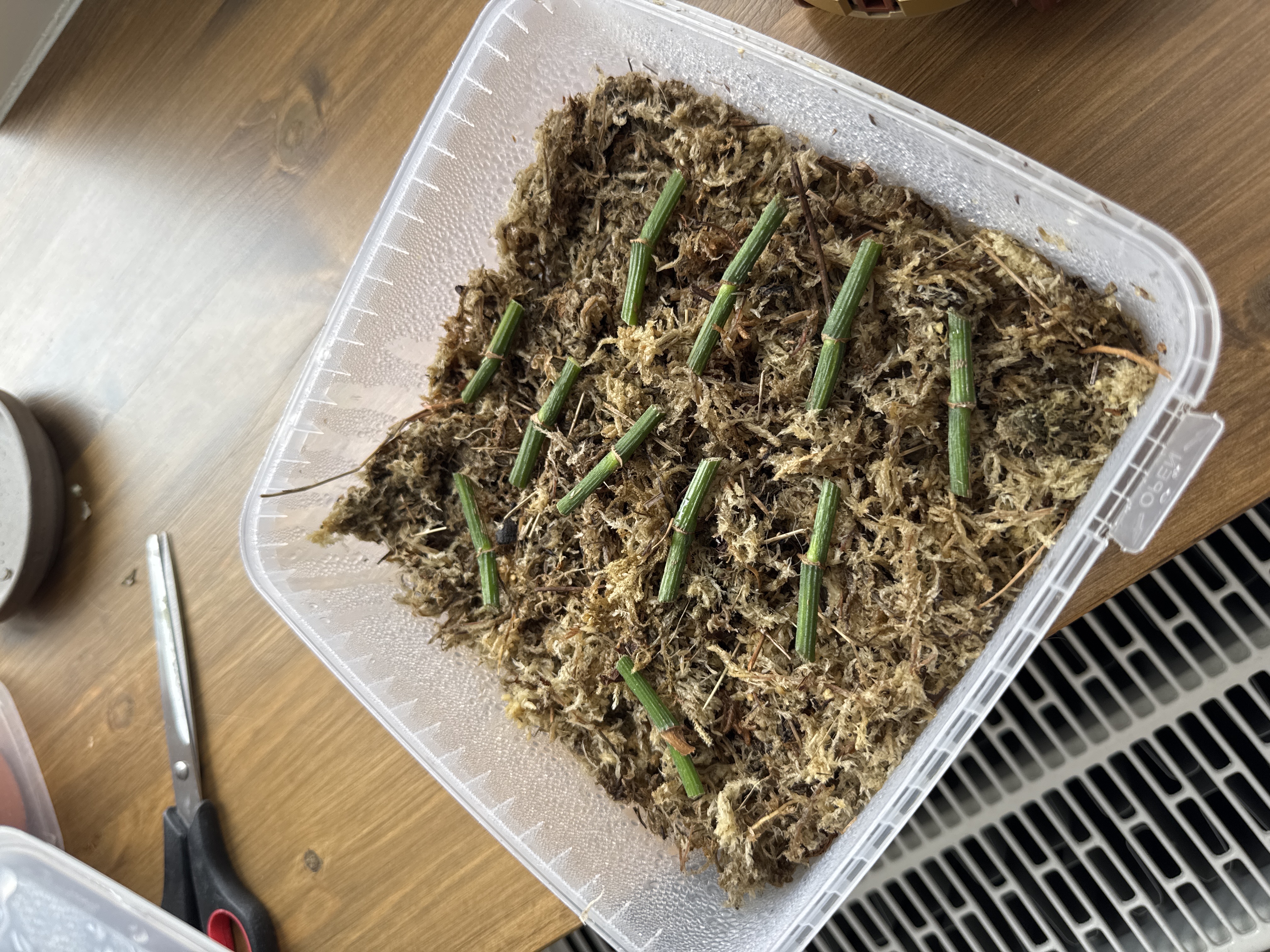
By cutting the leggy vines into smaller pieces and placing them in a container with damp sphagnum moss, you can grow a whole new, bushy plant. The moss holds the humidity perfectly, which triggers the nodes to grow roots much faster than they would in just soil.
Even though these three are tough, I always try to give them a "sun vacation" during the summer by moving them a bit closer to a window for a few weeks. It gives them enough energy to survive the next dark season!
Was this post helpful?